
Net sales increased 7.1% to $27.07 billion, above the $26.55 billion analyst estimate. Comparable sales rose 5.6%, with customer traffic up 5%. Digital comparable sales climbed 9.8%, outpacing the 4.6% increase at stores.
Adjusted earnings reached $2.65 a share, including a 50-cent benefit from tariff refunds. Excluding that benefit, earnings were $2.15, still ahead of the $2.07 estimate. Refunds contributed $228 million to net earnings, making them a meaningful part of the improvement.
Target now expects annual sales growth of about 6% and earnings of $10.65 to $11.40 a share. That earnings range includes roughly $2.14 a share in tariff refunds already recognized.
The holiday assortment includes more than 8,000 new gifts, with over half exclusive to Target and thousands priced at $5 or less. Management is also cutting women's apparel styles by 20% and lowering prices on hundreds of items.
The holiday test is whether more visits translate into repeat purchases without requiring deeper discounts. Traffic growth offers evidence of renewed demand, while the refund contribution makes underlying earnings especially important when judging how much of the recovery can last.

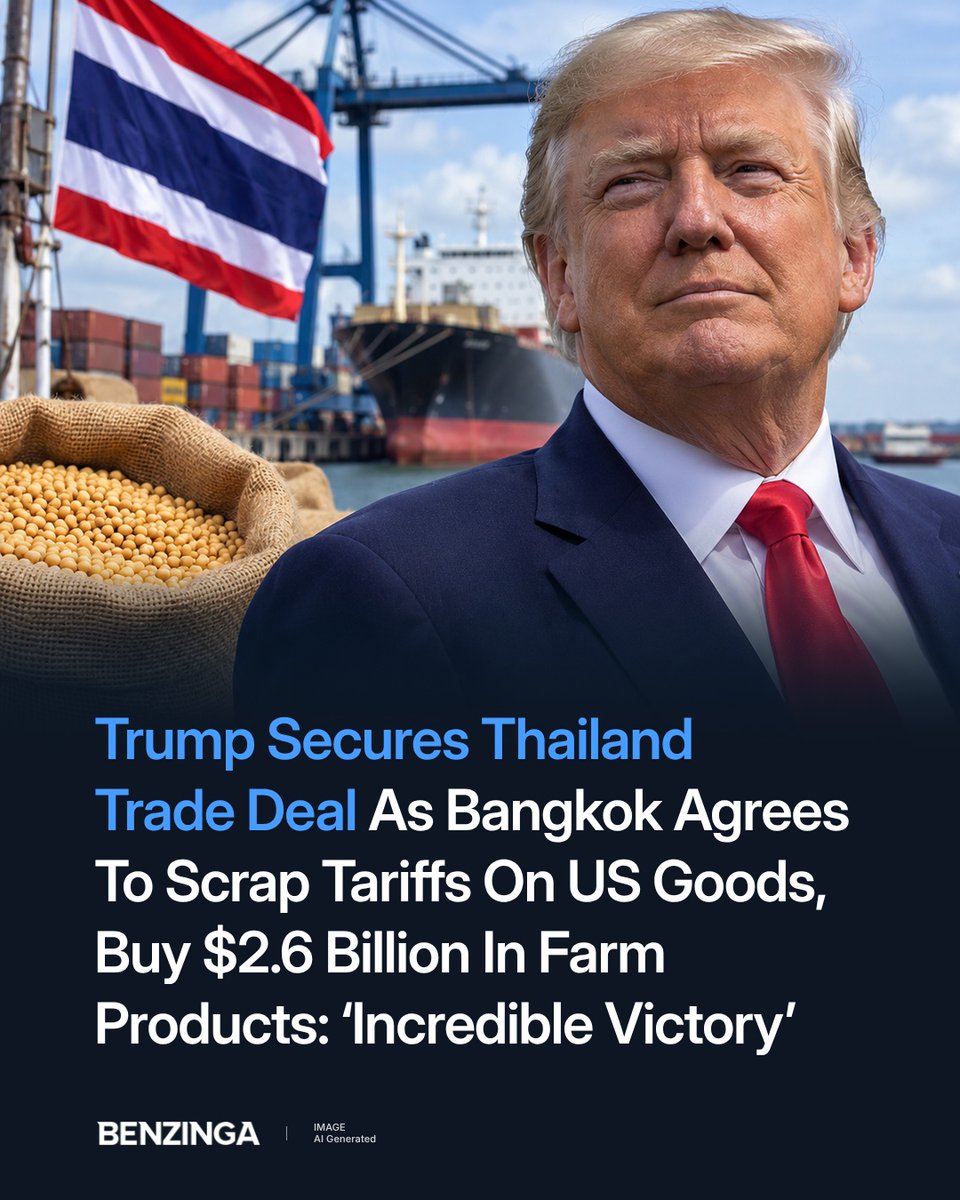
The announcement followed a November 17 meeting in Manila. The two governments signed a joint statement saying negotiations had substantially concluded. They still need to complete internal procedures and prepare the agreement for signature and entry into force.
According to Benzinga, Thailand agreed to remove barriers affecting American vehicles, medical devices, pharmaceuticals, ethanol and poultry. The planned agricultural purchases give U.S. farmers a prominent role in the proposed arrangement.
The negotiations build on an October 2025 framework under which Thailand agreed to eliminate tariffs on approximately 99% of American goods. That framework also addressed regulatory restrictions that can prevent products from reaching buyers even when tariffs are low.
Thailand initially faced a proposed 36% U.S. tariff in 2025 before Washington reduced the rate to 19%. The new announcement signals progress in negotiations, but it does not mean every promised change is already operating at the border.
For exporters, the practical test will be the final terms, implementation dates and orders that follow. Lower duties can improve competitiveness, while regulatory changes may determine whether companies can actually sell into the market.
The agreement's value will become clearer as diplomatic commitments turn into enforceable access and commercial purchases.

I’m holding CROX and a small PLTR position, and this sounds like a tailwind for poultry and medical devices. Still waiting on final terms and implementation dates before adjusting positions.

Watching CROX and PLTR for a quick pop on headlines.
Headlines are great, but I’m skeptical without signed versions and timelines. Volatility could be higher before clarity, so I’d wait for order confirmations.


Still patient; fundamentals matter more than this noise.
New to this—seems like tech is getting another push.
If this trend holds, I’m leaning into the breakout—NVDA and MSFT leading the charge, while SPY keeps grinding higher. Feels like momentum’s intact despite the choppy patches.


Big quarter for NVDA, sure, but why are peers like AMD, ASML, and MU all getting sold off? Is this just rotation, or are customers reallocating budgets? Also, does ASML’s backlog actually cover this dip?

Feels like NVDA crushed it, but the rest are dumping. Are we sure this isn’t just panic selling, not real demand?
https://t.co/DoYvYS85xfBTCUSDT--

Everyone’s bracing for a slump, but I think the panic is overdone. Liquidity’s still there, and risk appetite hasn’t fully fled.
Anyone buying dips or waiting for a breakdown?
From a sector lens, BTC’s dominance keeps slipping as ETH and Solana capture retail flows. If spot BTC ETF inflows wane and futures unwind, the trend likely reverses. Meanwhile, COIN and IBIT could see quieter days.